A newsletter dedicated not only to the latest news and price trends for agricultural commodities, but also to potential developments and changes in feed formulations for various livestock. The IDENA Formulation Team hopes you enjoy reading it!
Purchasing and formulating whey without understanding the production process poses a major risk to the feed conversion ratio. Between a ‘mild’ profile and an ‘acidic’ profile, the energy value and protein purity can vary by a factor of two.
Result: behind a single name lie products with highly variable compositions, with direct implications for the formulation of pig feed. Today, knowing the technological origin of a whey has become just as important as knowing its nutritional analysis.
Click here to discover in this first instalment how coagulation technology separates nutrients.
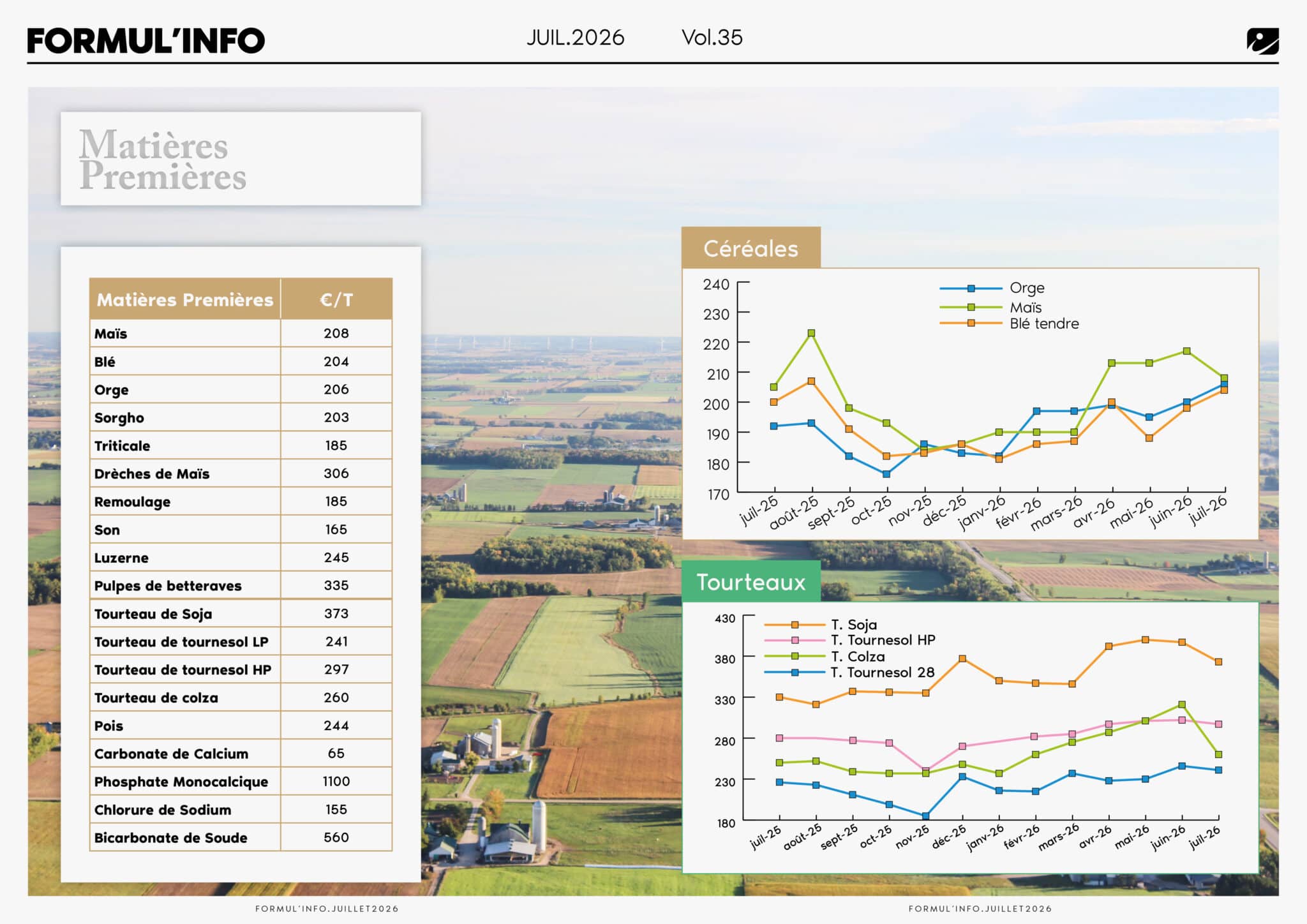
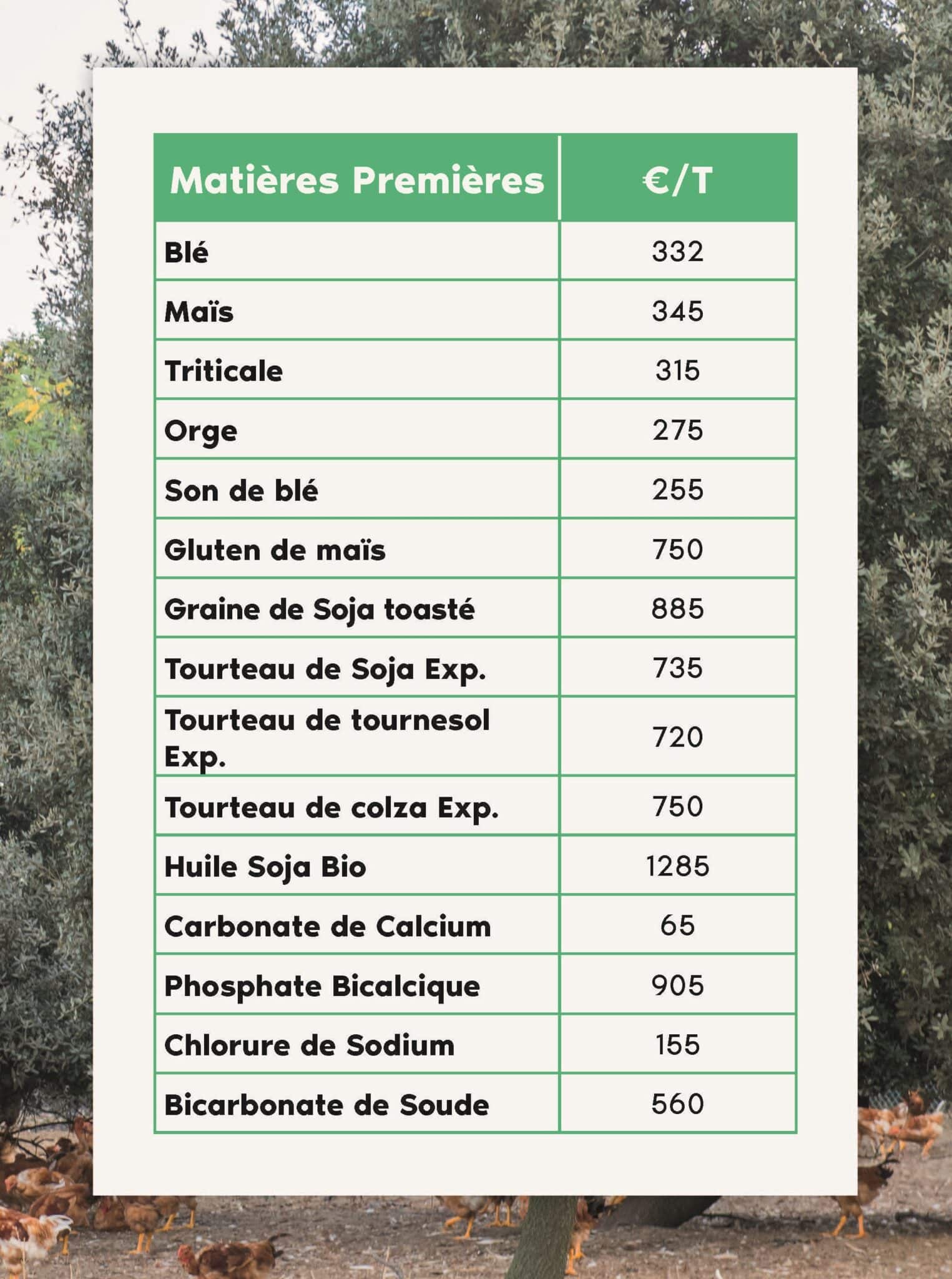
In July, cereal prices continued to rise, with the exception of maize. Oilseed meal prices fell, with a sharp drop in rapeseed meal.
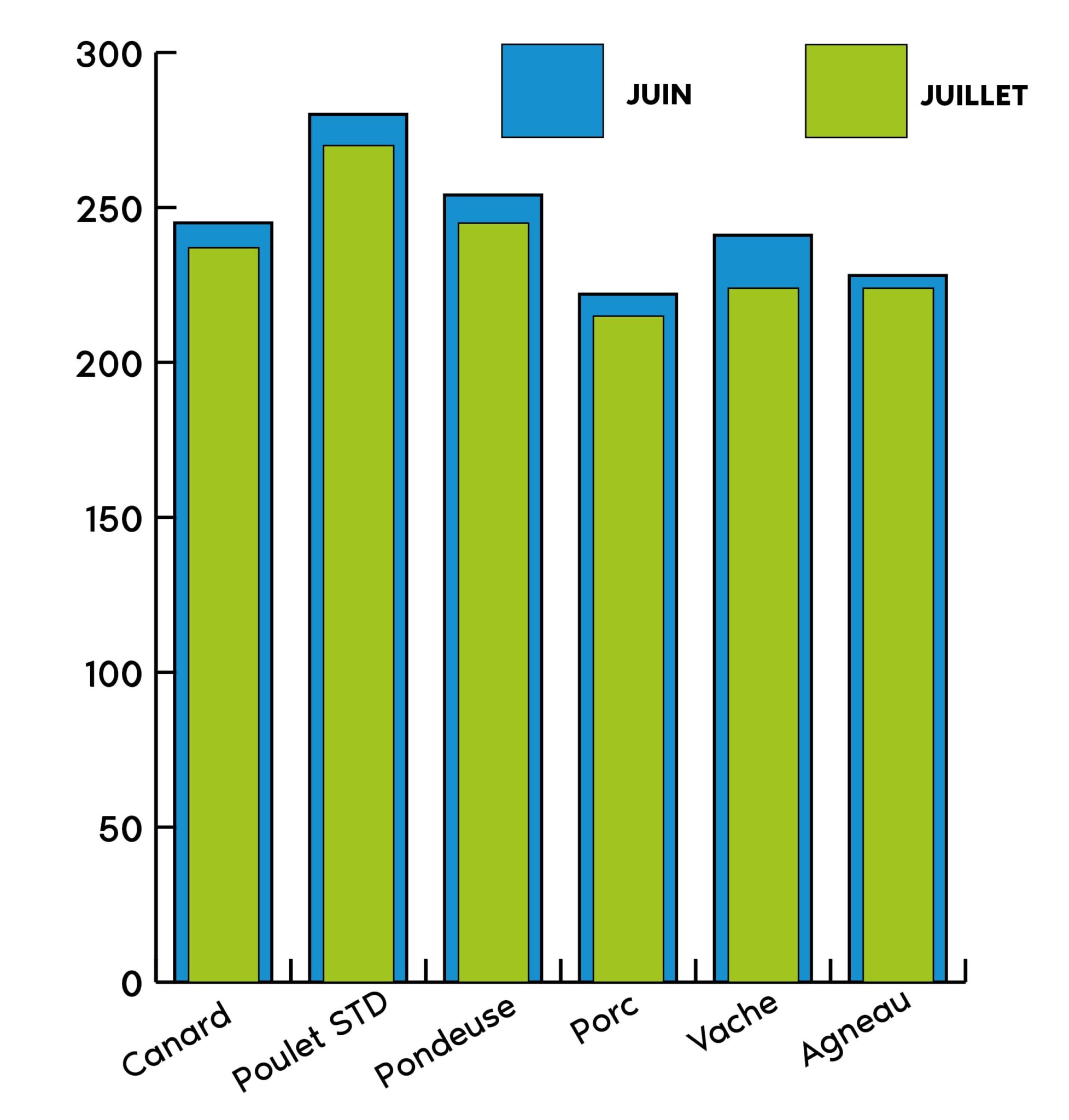
This month, we are seeing a downward trend in the cost of the packages.
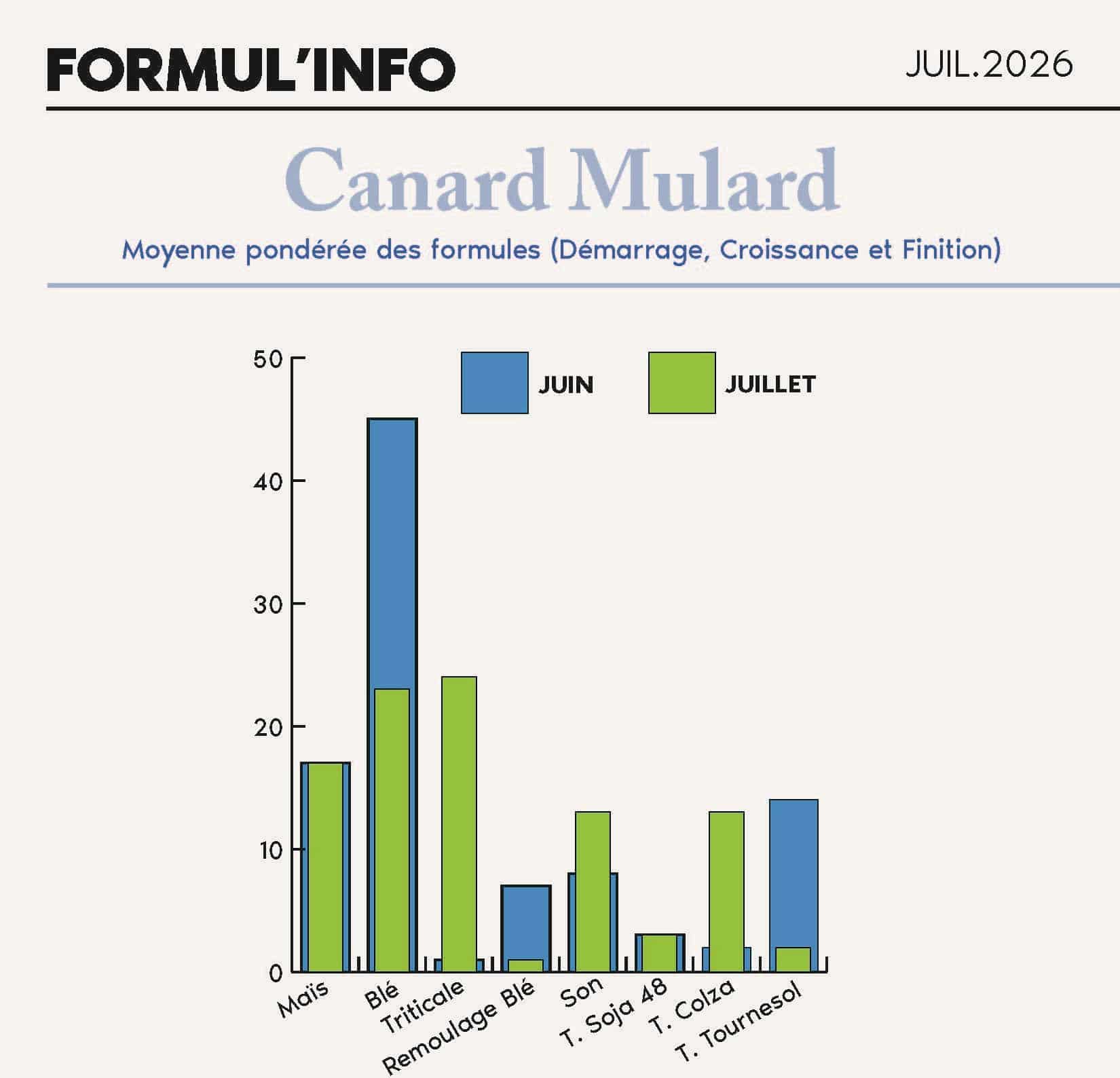
This month, we note that the proportion of wheat has halved to make way for triticale, which has increased by 24 %. Re-milling is less profitable in July, which allows for a higher proportion of bran to be included in the formula. As for oilseed meal, there has been a switch from sunflower LP to rapeseed.
As with duck, wheat production is falling to make way for more triticale. There has been a slight increase in sorghum and by-products. The proportion of soya meal, meanwhile, remains stable.
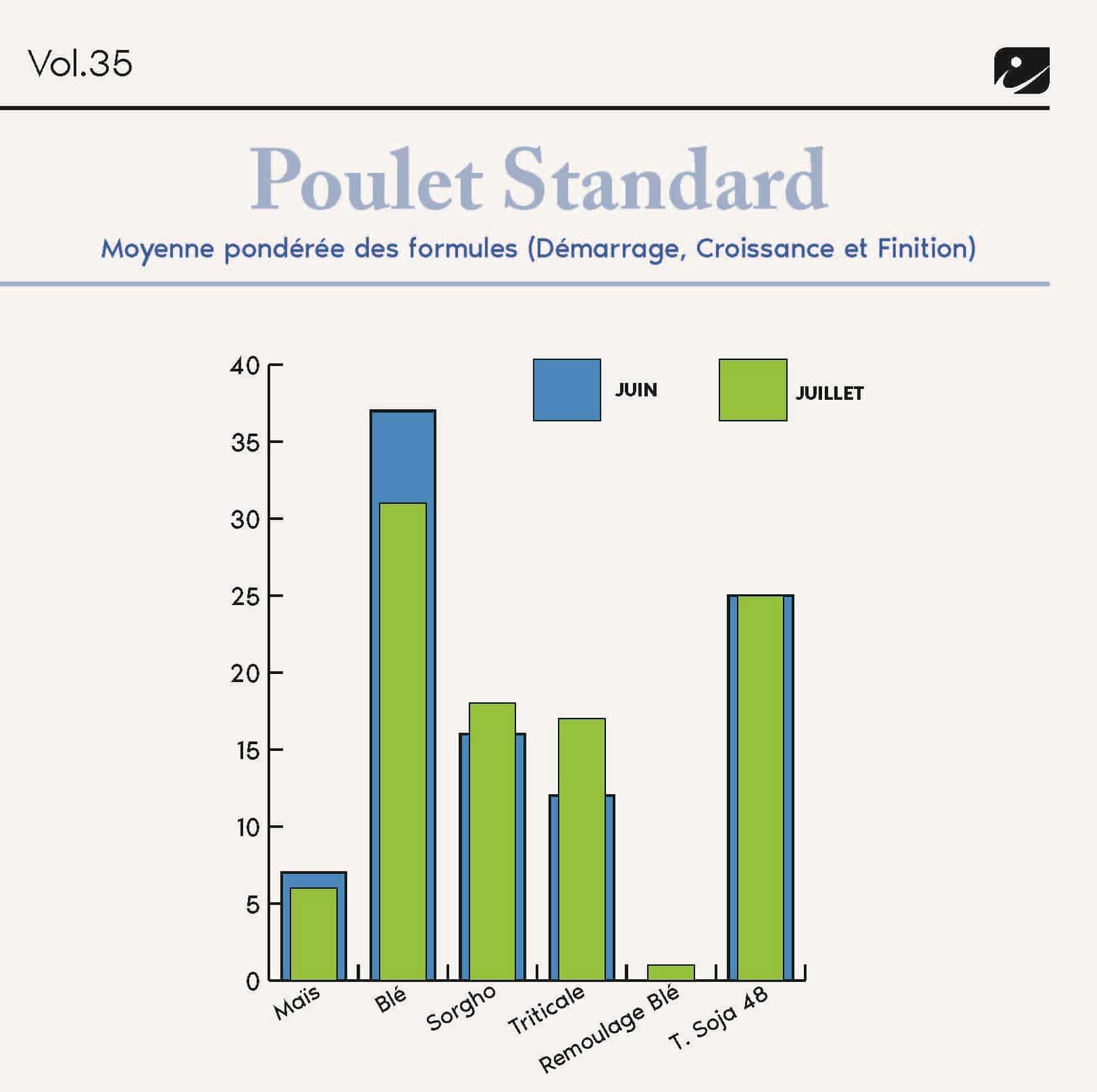
This month, wheat has fallen by 27 %. This loss is offset by triticale and an increase in sorghum. The fibre component is provided by the inclusion of rapeseed meal to compensate for the reduction in bran.
Pig:
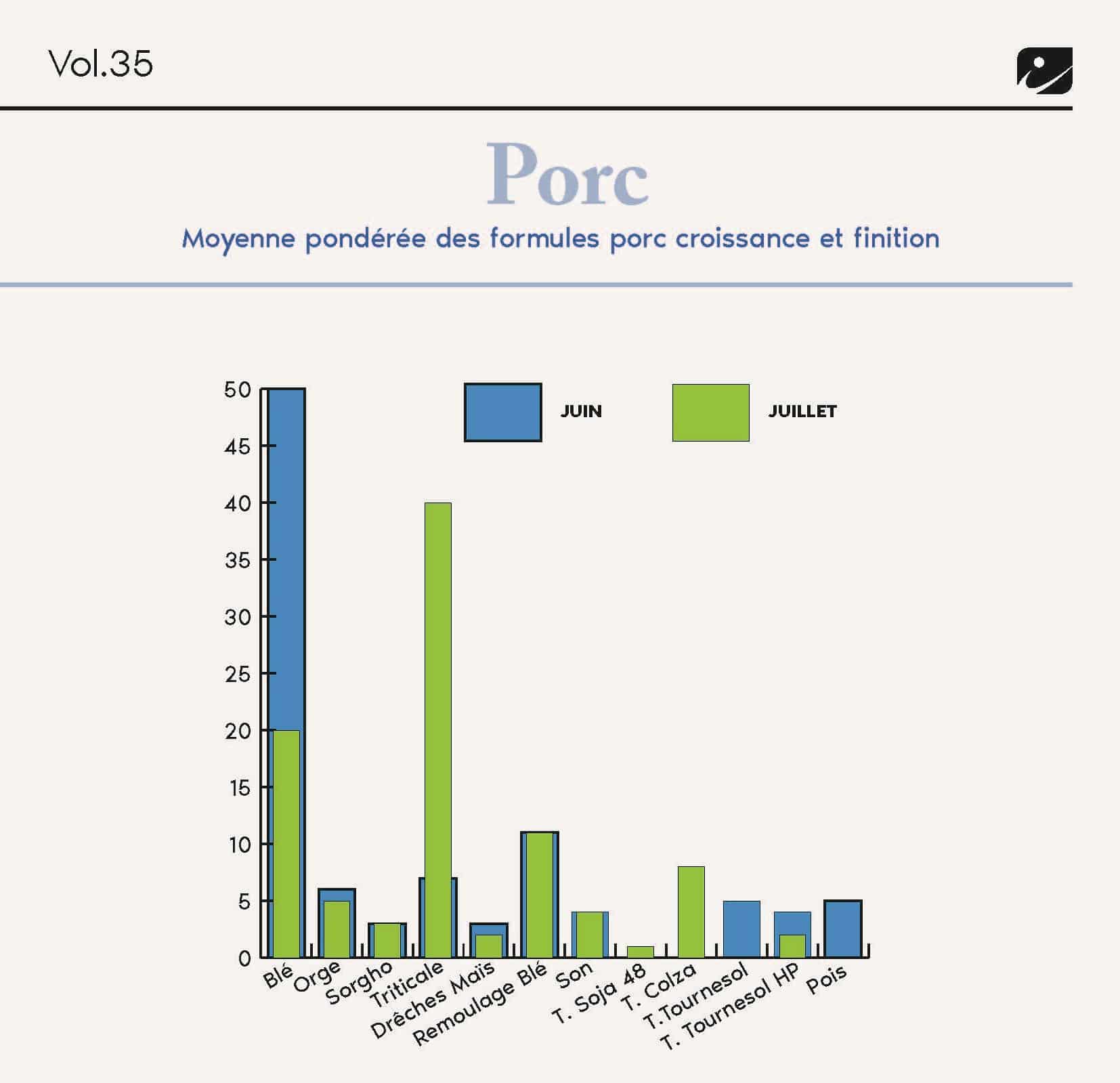
In July, triticale rose by 33 %, replacing wheat. Sunflower meal fell sharply to make way for rapeseed and, to a lesser extent, soya. Peas were completely removed from the formula for the month of July.
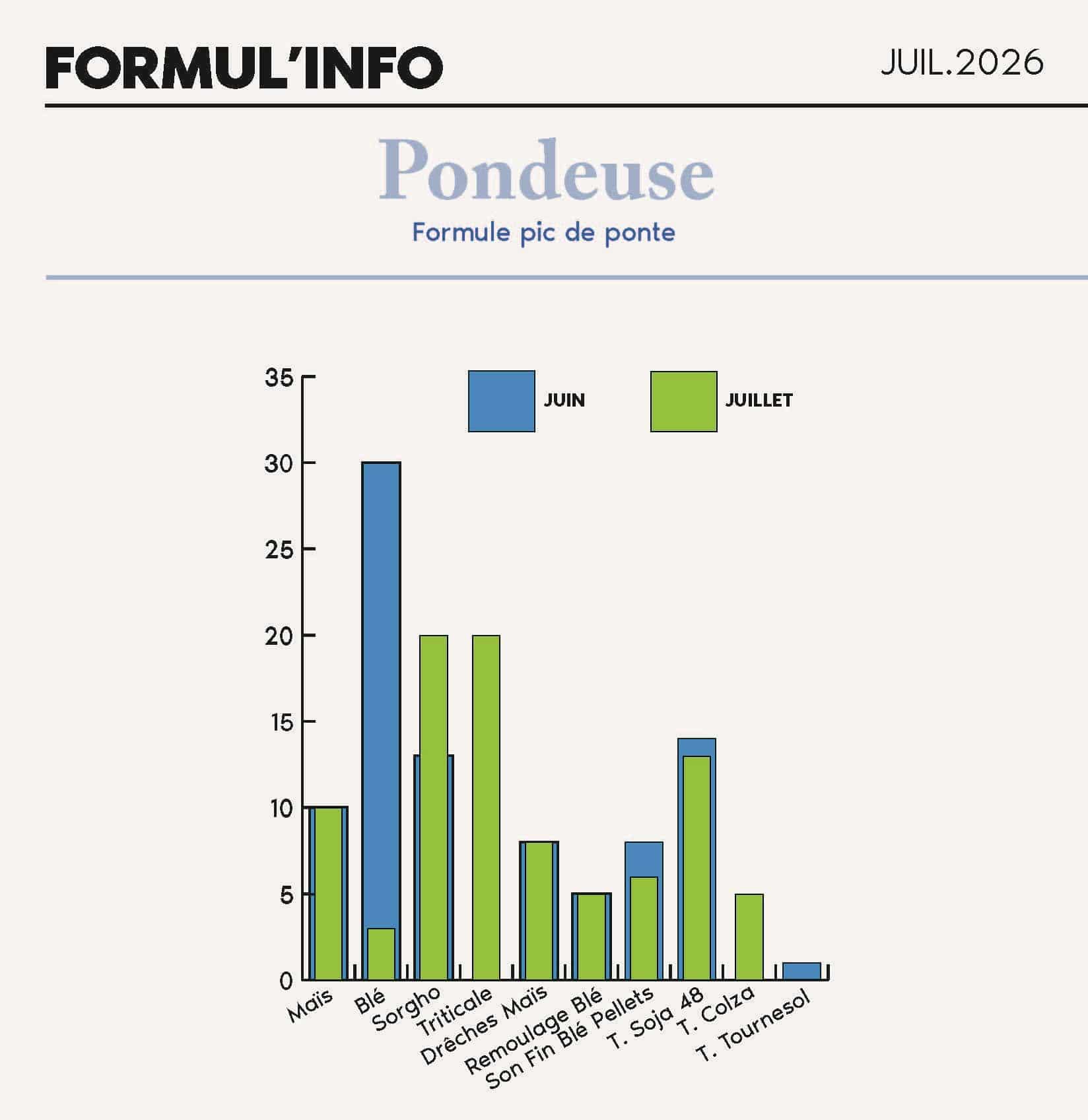
The cereal mix is different from last month. As wheat is less attractive than it was in June, it has been entirely replaced by triticale, maize, sorghum and barley. The reduction in DDGS is offset by the increase in rapeseed meal. The fibre provided by barley and rapeseed meal means that beet pulp has been removed from the mix.
The inclusion of triticale offsets the reduction in wheat and, to some extent, that in bran. The reduction in bran, soya meal and DDGS is offset by the sharp increase in rapeseed meal, ensuring an adequate supply of fibre and protein.
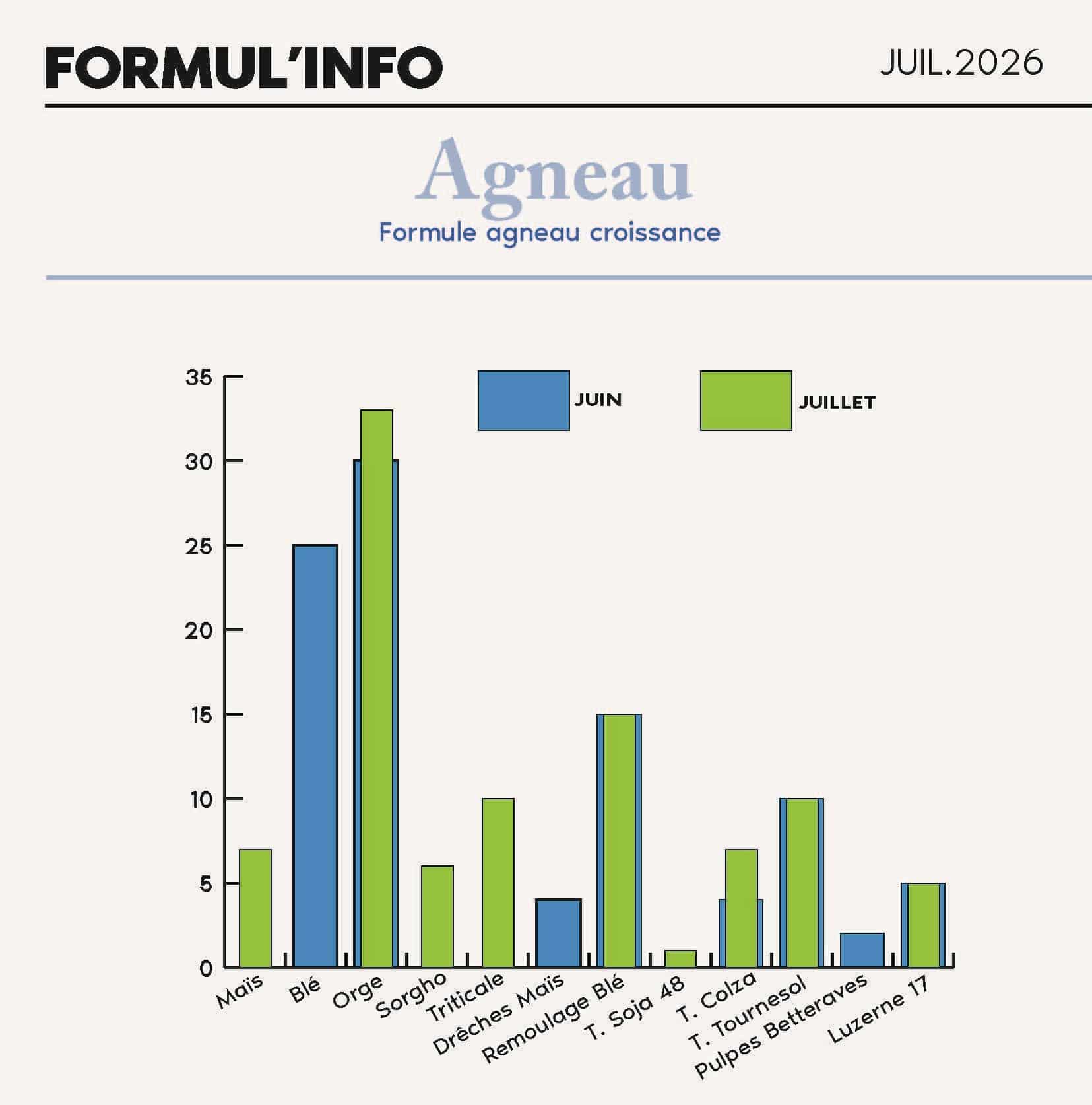
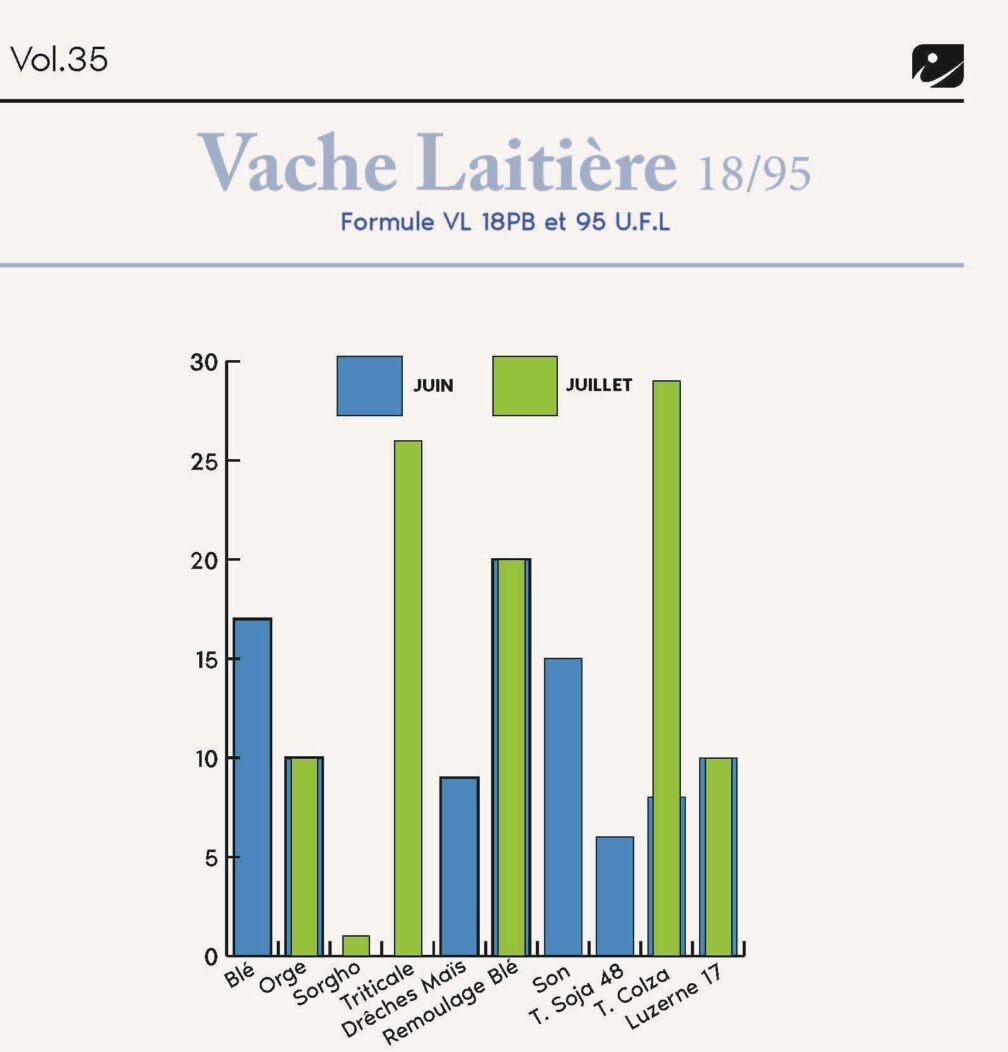
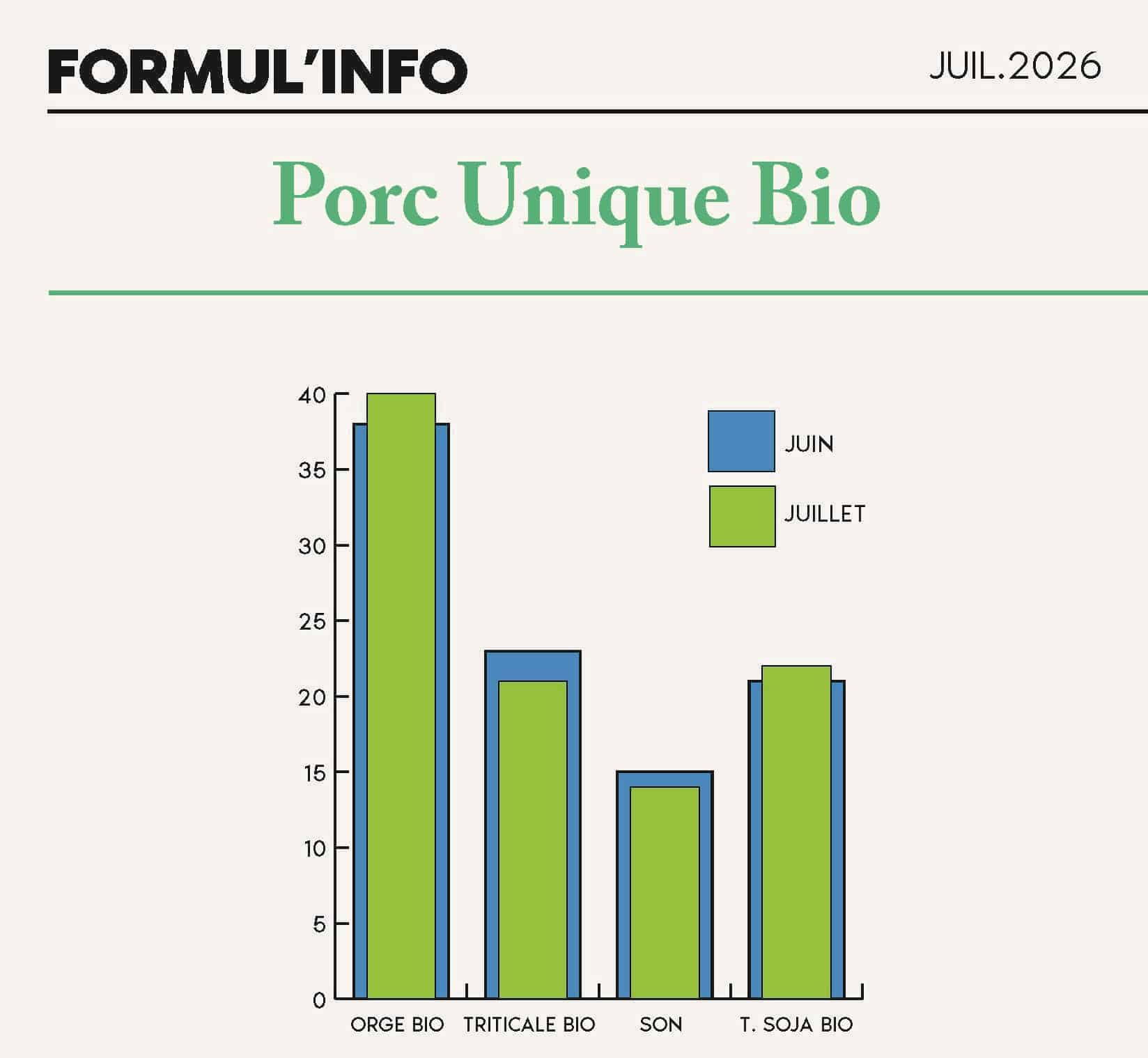
In July, we can see a slight shift between barley and triticale. The rest of the composition remains stable.
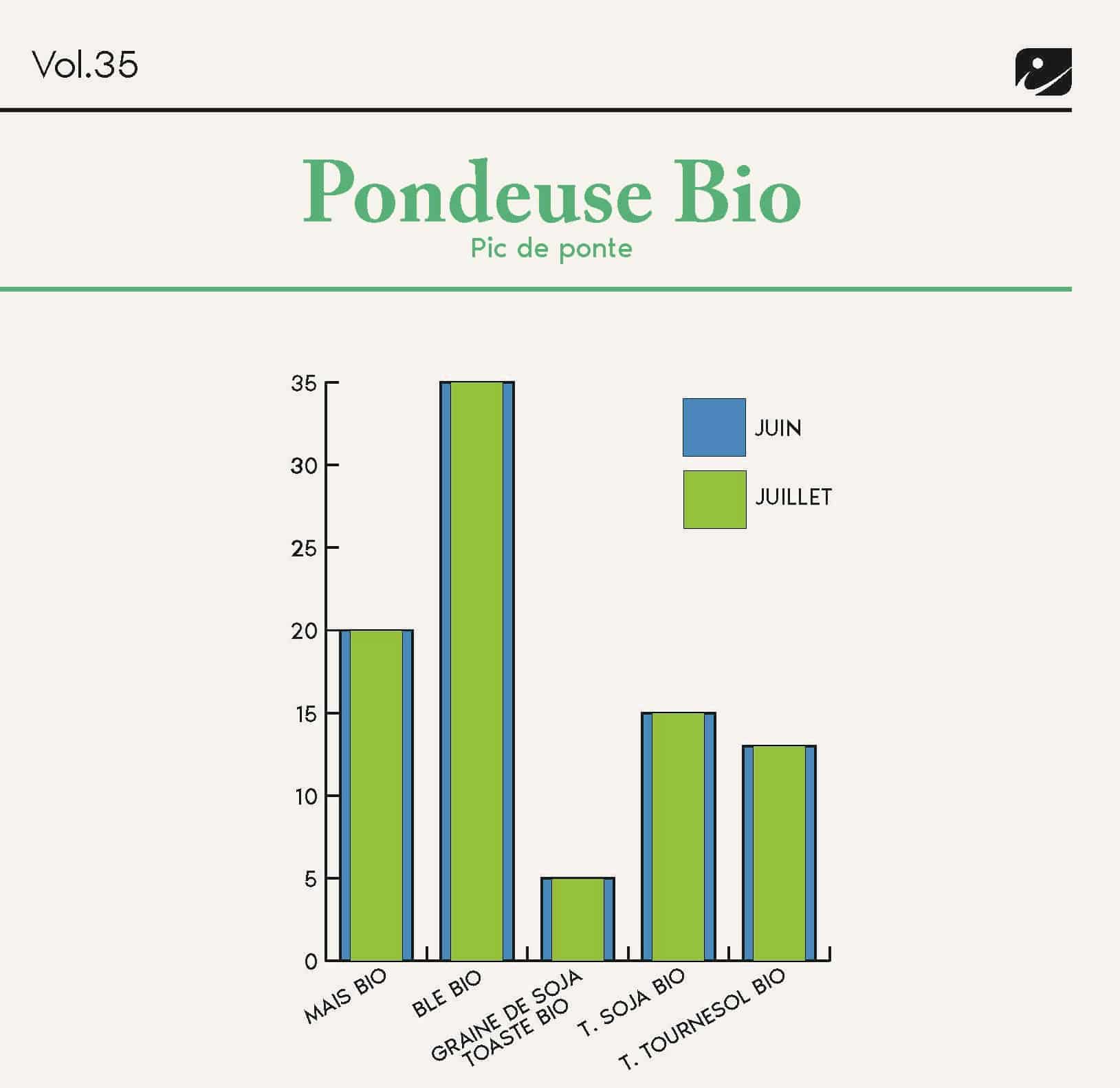
The formula has remained stable compared with last month.
Chicken:
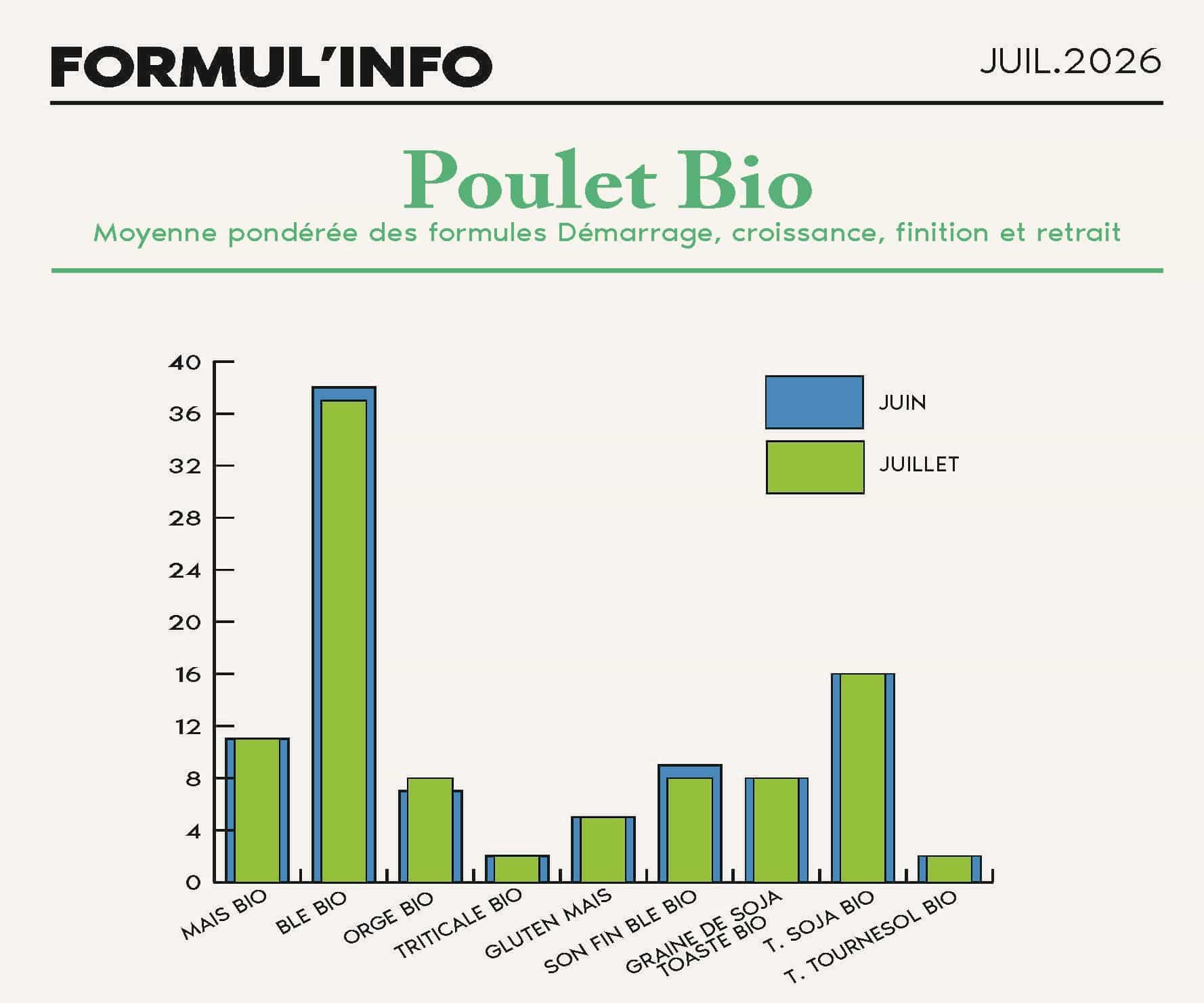
This month, the formula remains unchanged.