A newsletter dedicated not only to the latest news and price trends for agricultural commodities, but also to potential developments and changes in feed formulations for various livestock. The IDENA Formulation Team hopes you enjoy reading it!
Today, the volatility of raw materials and dependence on the geopolitical context make formulation increasingly complex. What if the solution already lay in animal feed?
Tensions in the urea market:
A severely disrupted market:
Consequences for feed formulation:
>> Need to secure the use of nitrogen and reduce dependence on urea, as well as to rethink the approach to the valorization of forages.
This is why it is beneficial to explore solutions that enhance the nitrogen content of forages and optimize rumen digestion.
A lever for utilizing fiber and nitrogen in the ration.
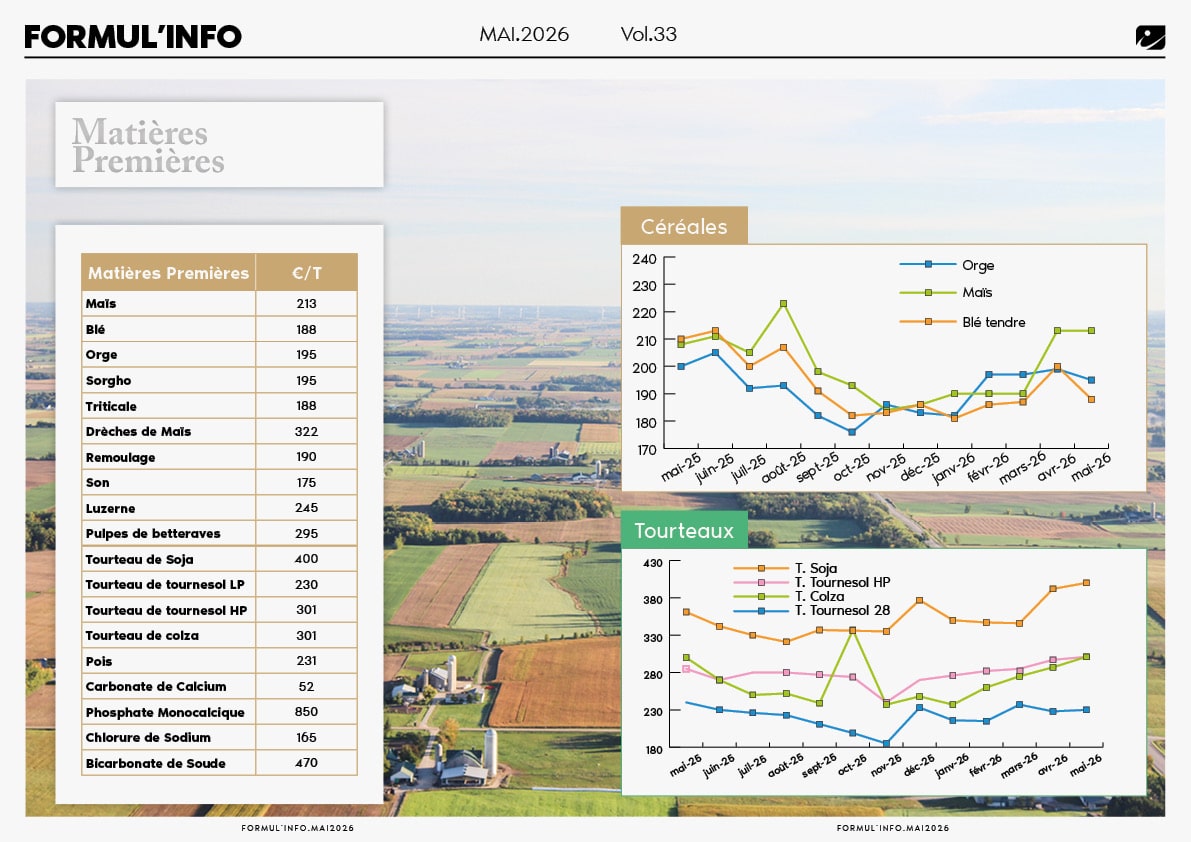
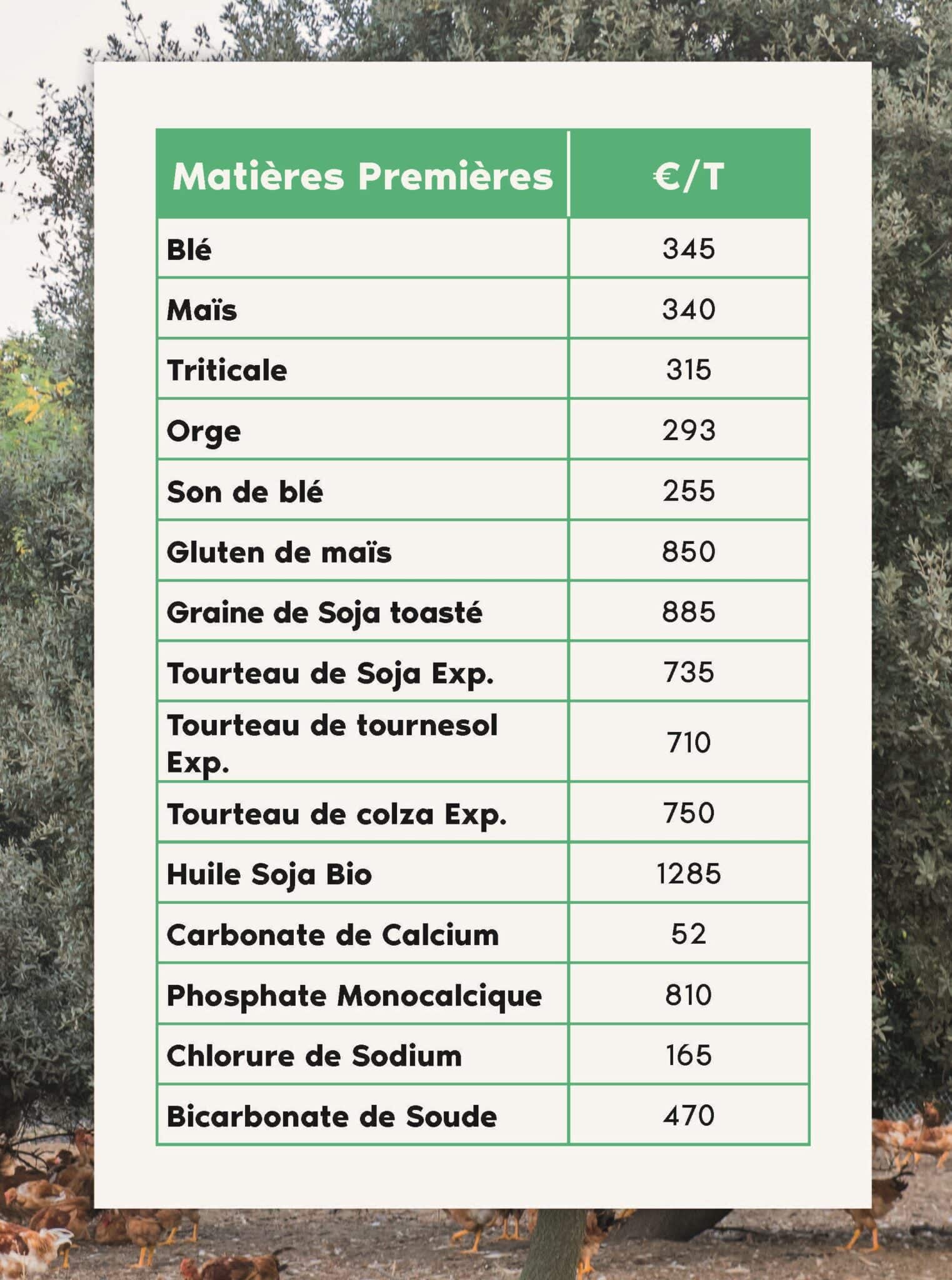
For May, a slight decrease in cereal prices was observed. Oilseed meal prices, however, increased very slightly.
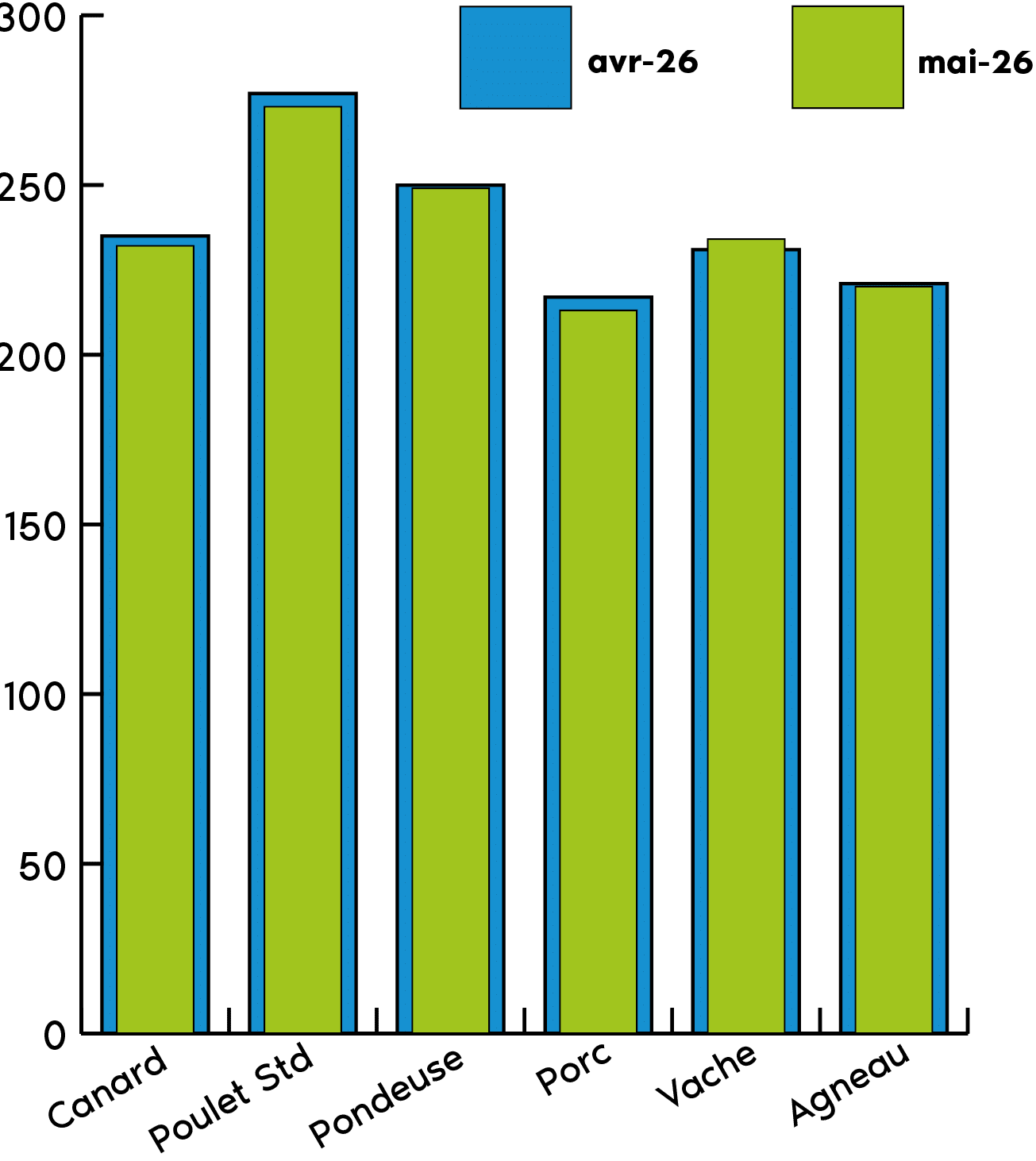
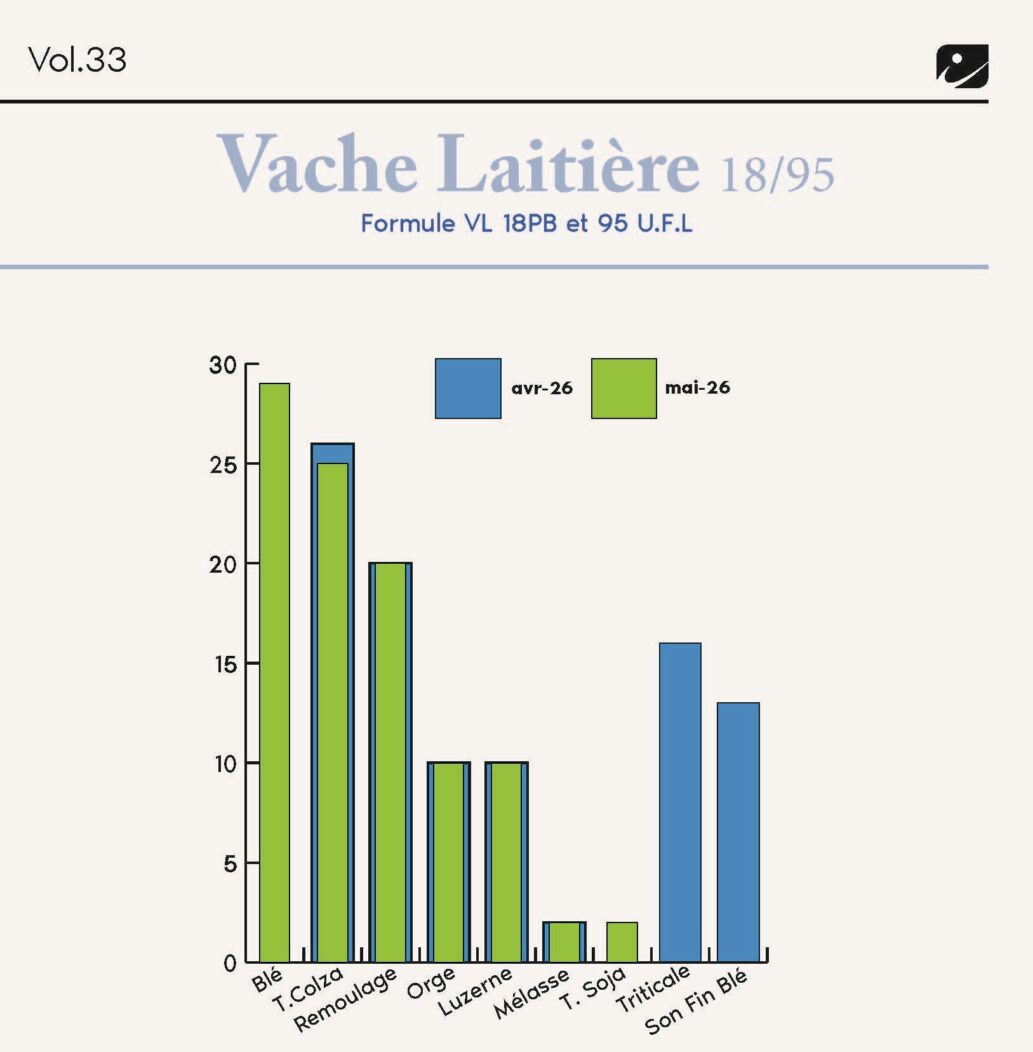
This month we are observing a downward trend in the cost of formulas except for dairy cows.
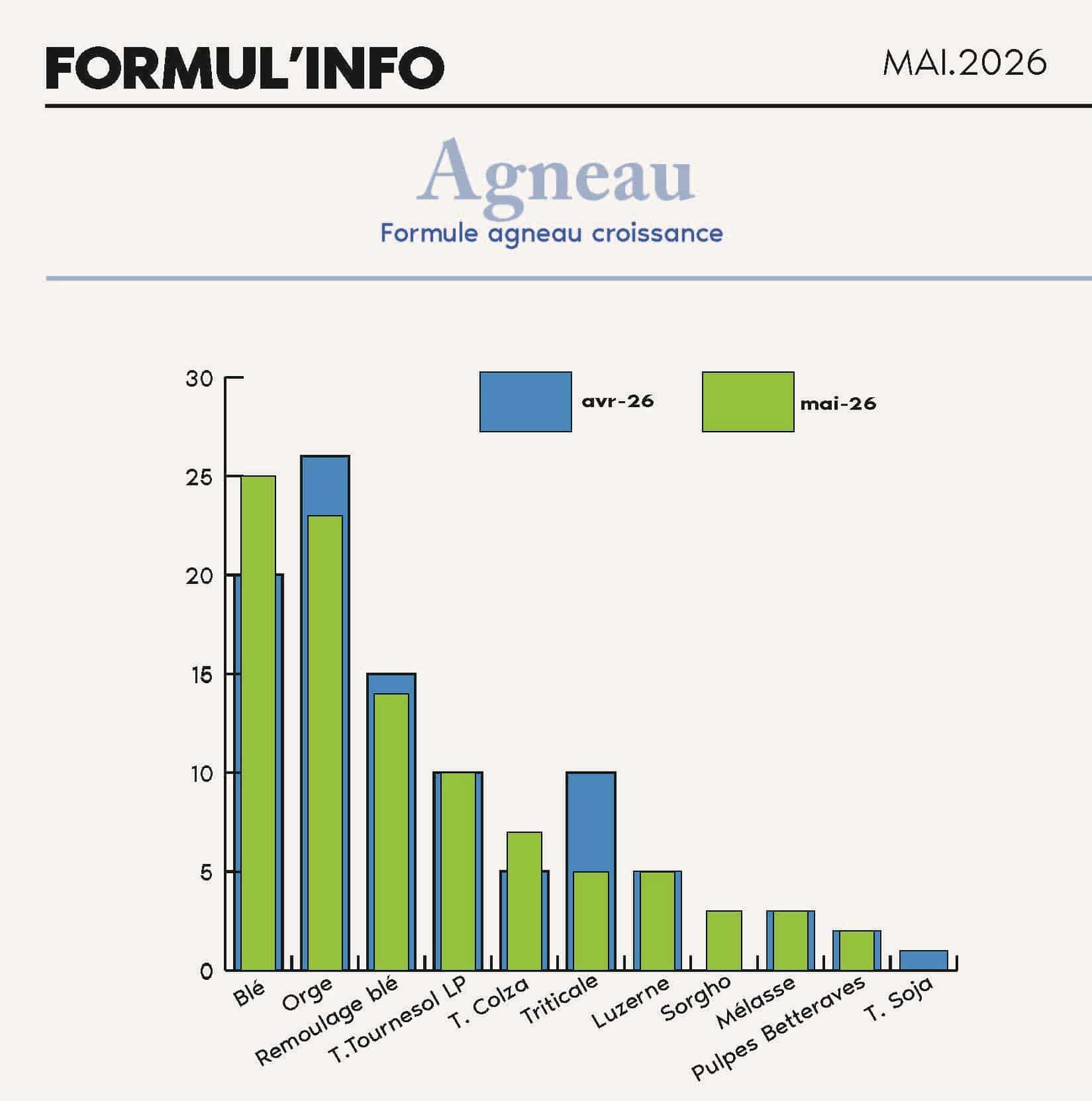
Sorghum is less attractive than last month (-7%), but this is offset by the increase in wheat prices. Some rapeseed meal has been replaced by sunflower meal and DDGS (deep grain solids). Bran and middlings remain relatively stable compared to April.
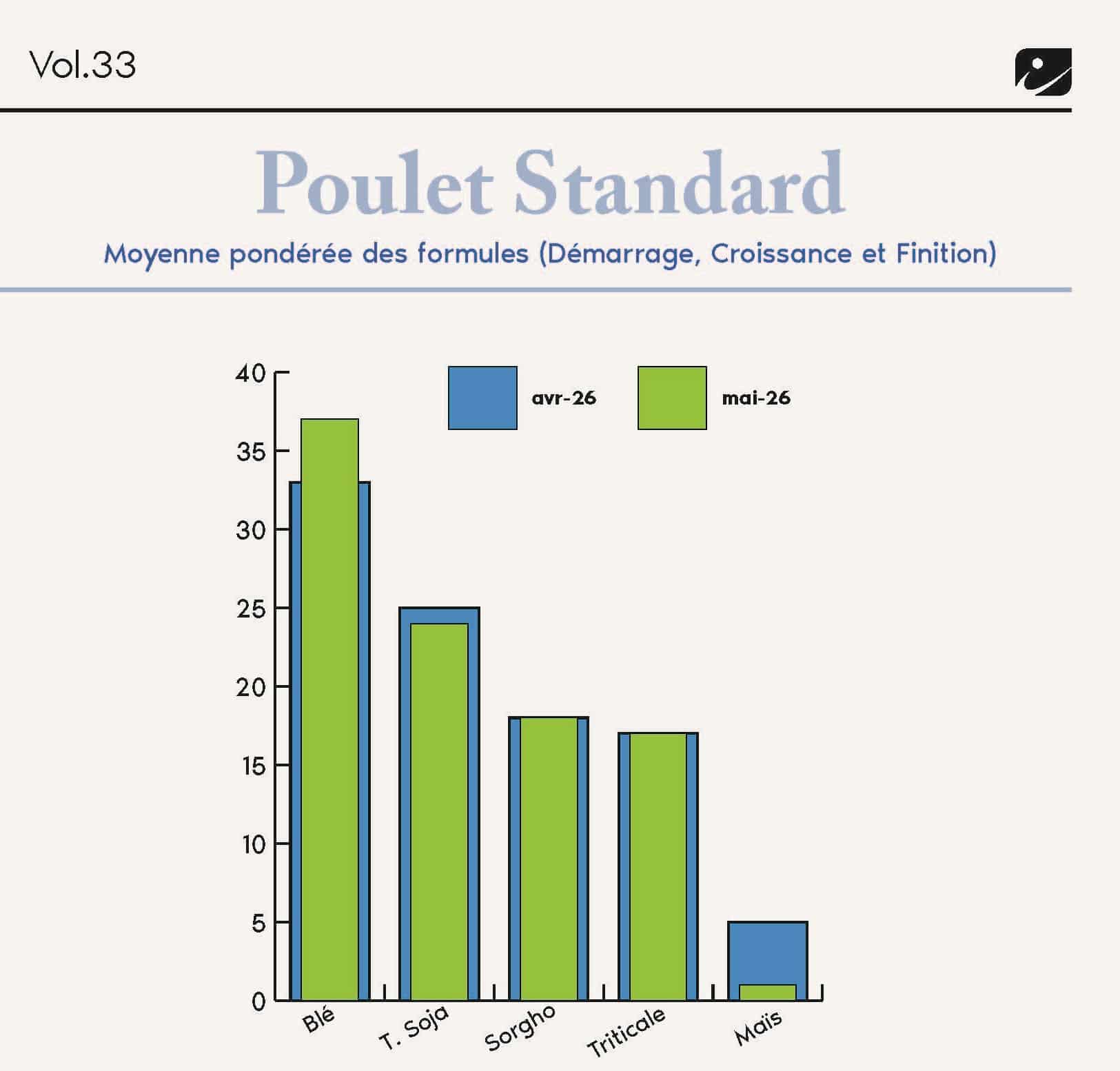
For the month of May, a decrease in corn prices was observed, which was offset by an increase in wheat prices (+4%). The rest of the formula remained stable.
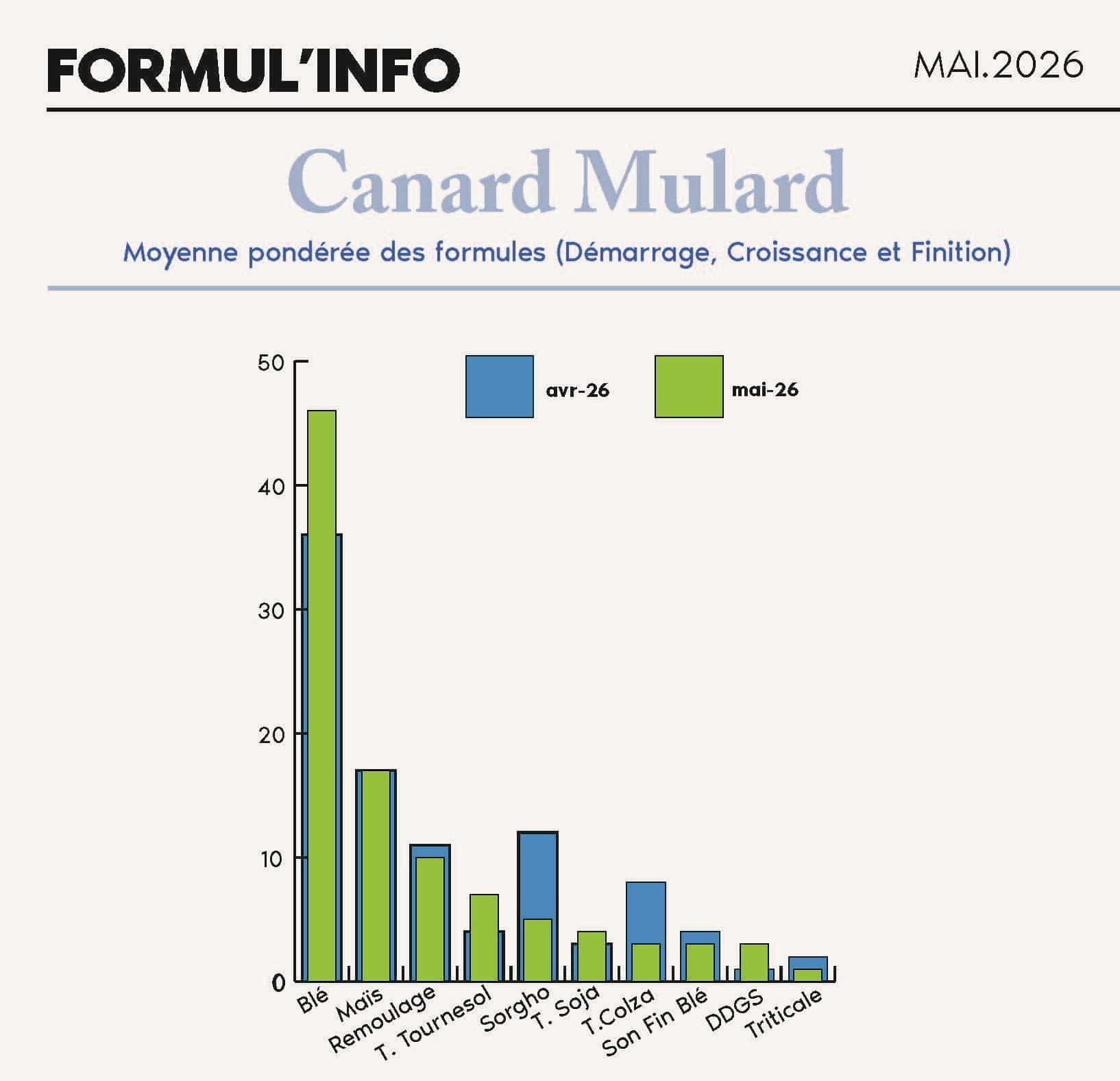
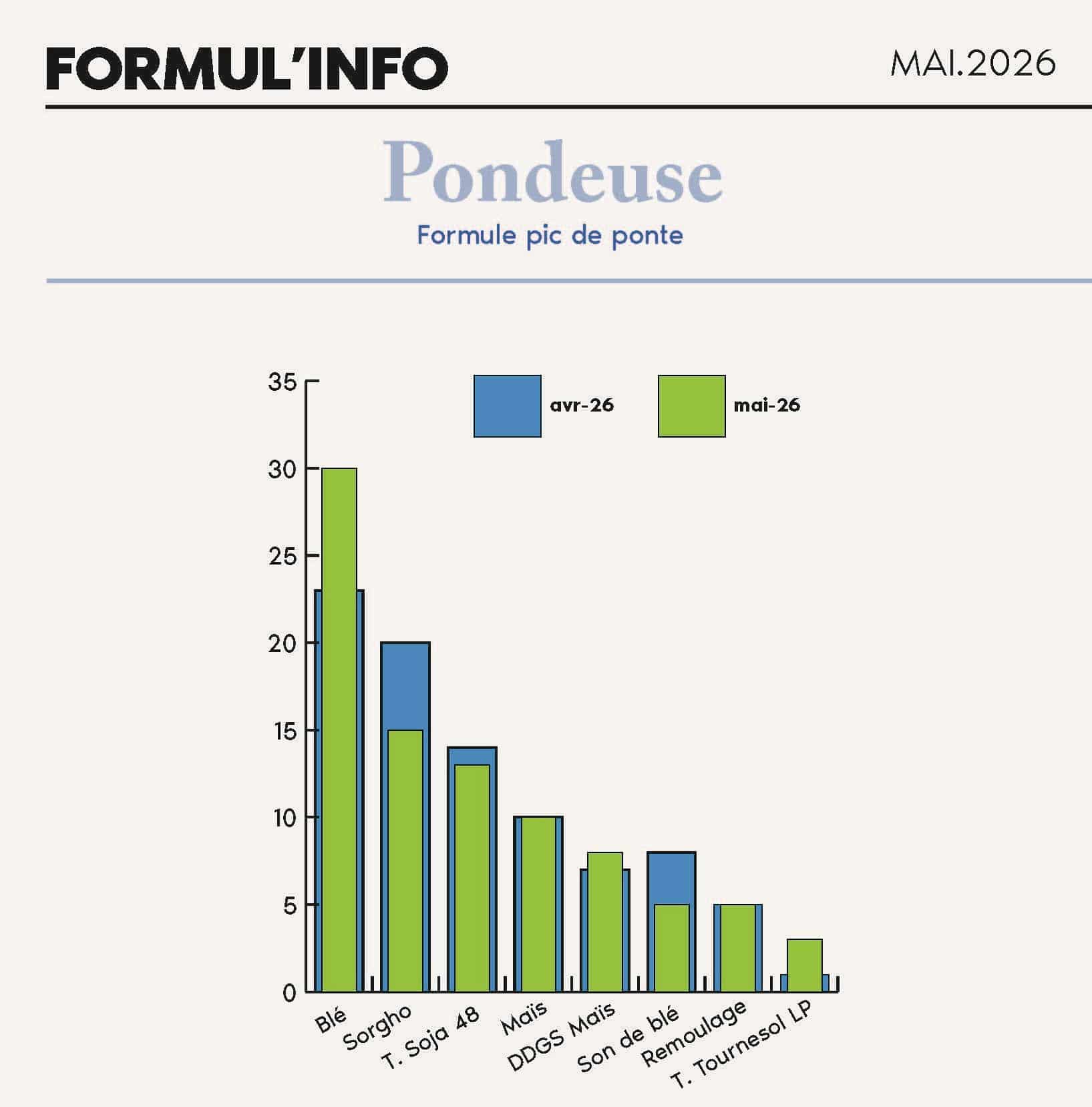
The decrease in sorghum is offset by the increase in wheat. The decrease in cellulose intake due to the lower bran content is offset by the increase in LP sunflower.
Pig:
The decline in sorghum and triticale is offset by the increase in wheat. Peas are losing their appeal, and the protein intake is compensated by the rise in sunflower meal. A balance is thus established between the different oilseed meals.
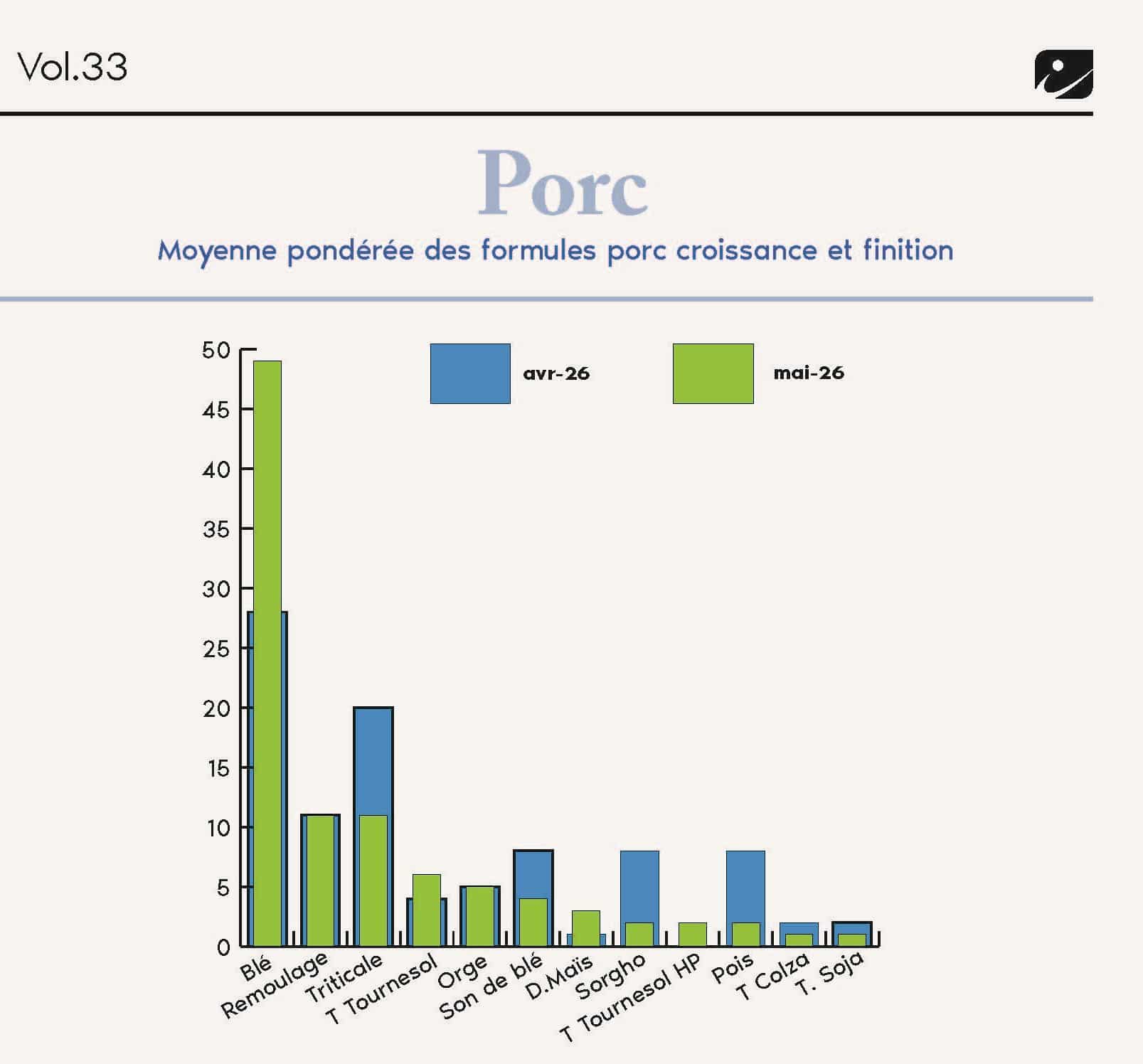
The decrease in triticale and barley is offset by the increase in wheat and the introduction of sorghum, which is proving attractive this month. The reduced cellulose content of barley and middlings is compensated by the rise in rapeseed meal.
The removal of triticale and bran from this month’s formula is fully offset by wheat (+29%). The elimination of bran results in a decrease in the cellulose content of the reference formula.
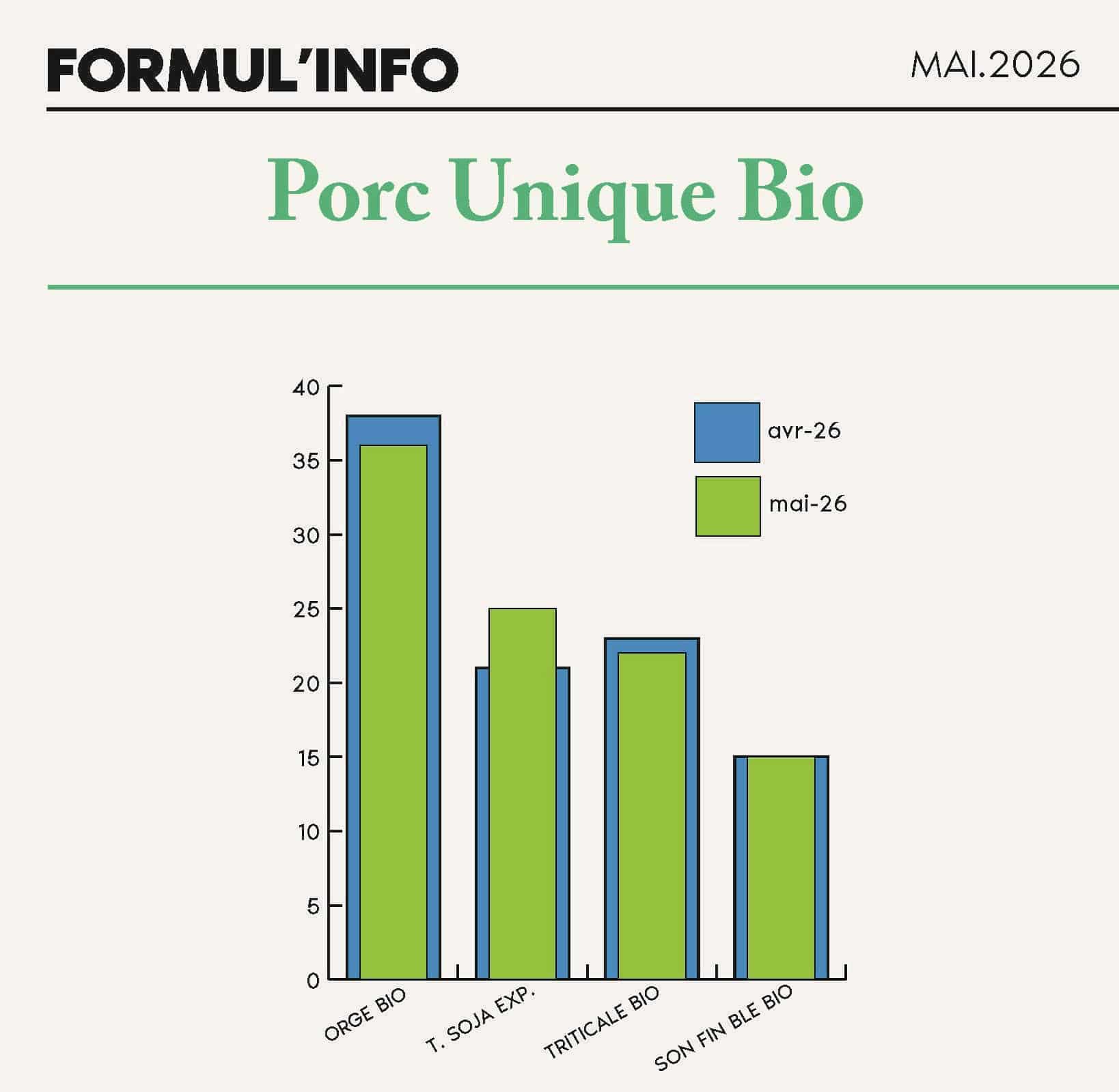
Barley and triticale prices are falling to make room for soybean meal, which is of greater interest this month.
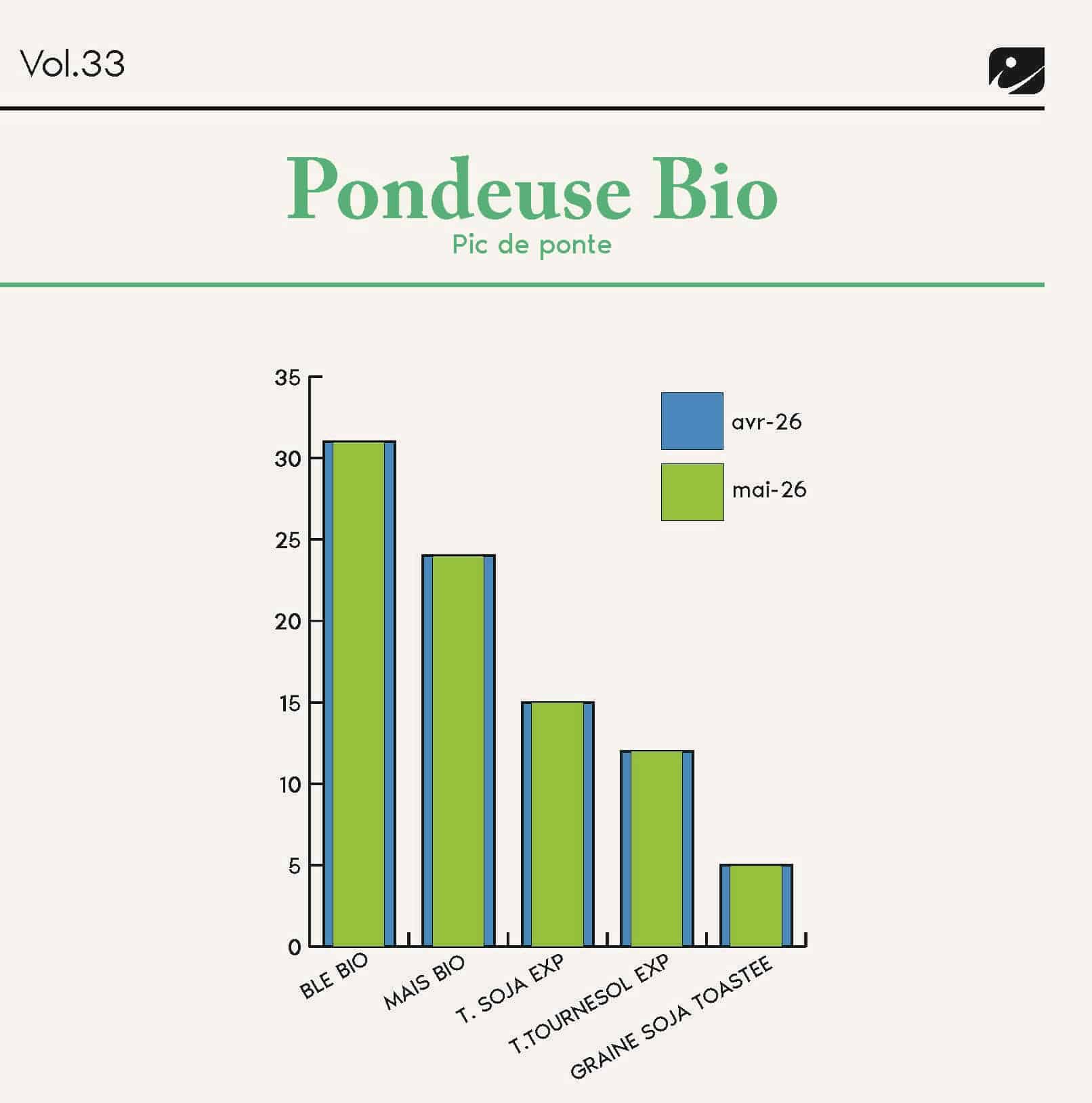
The organic laying hen formula remains perfectly stable between April and May.
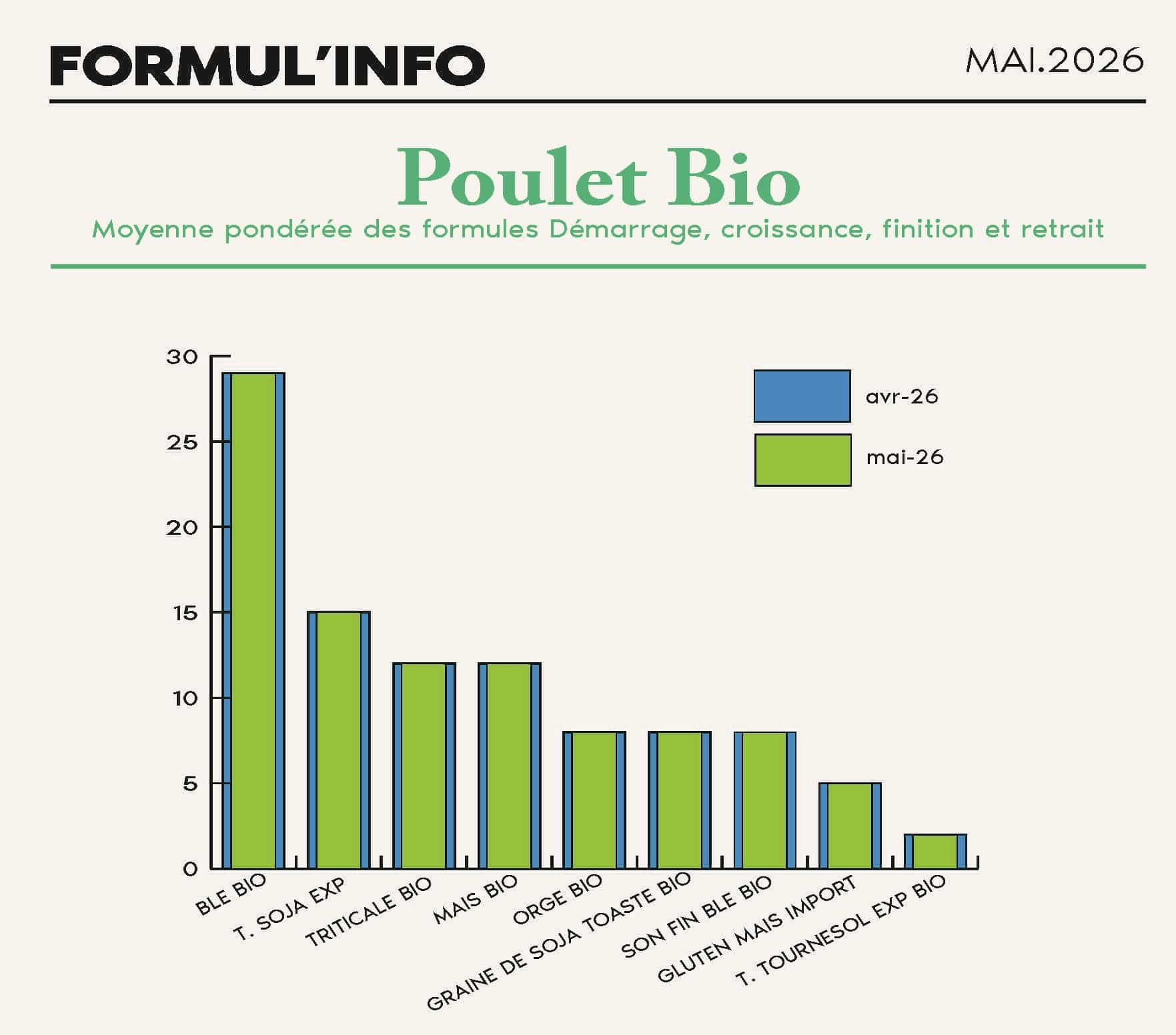
Chicken:
The organic chicken formula remains very stable between April and May.